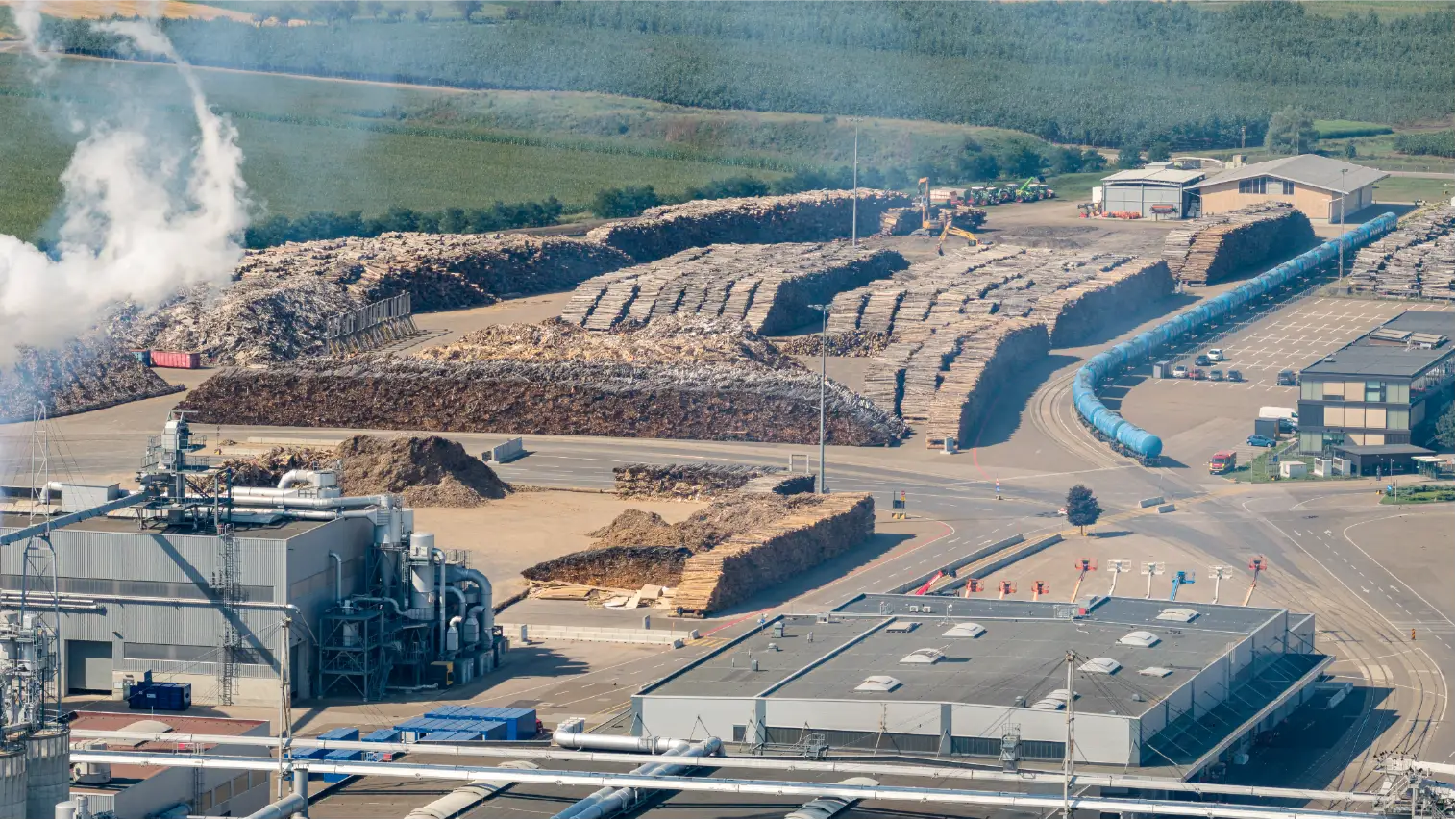
On Watson Island, in Prince Rupert, British Columbia, Elemental Clean Fuels is developing the first waterborne biomethanol and bioSAF project. The site once ran the Skeena Pulp Mill and now produces clean fuel for the marine and aviation industries and export markets beyond its coastline.
The site
Watson Island in Prince Rupert, British Columbia, is one of the deepest natural harbors on the west coast of North America and is the closest North American port to major Asian shipping lanes. For decades the Skeena Pulp Mill ran on this site. When the mill closed, the City of Prince Rupert took ownership of this land, an industrial site with deep-water access and no active use.
What we are building
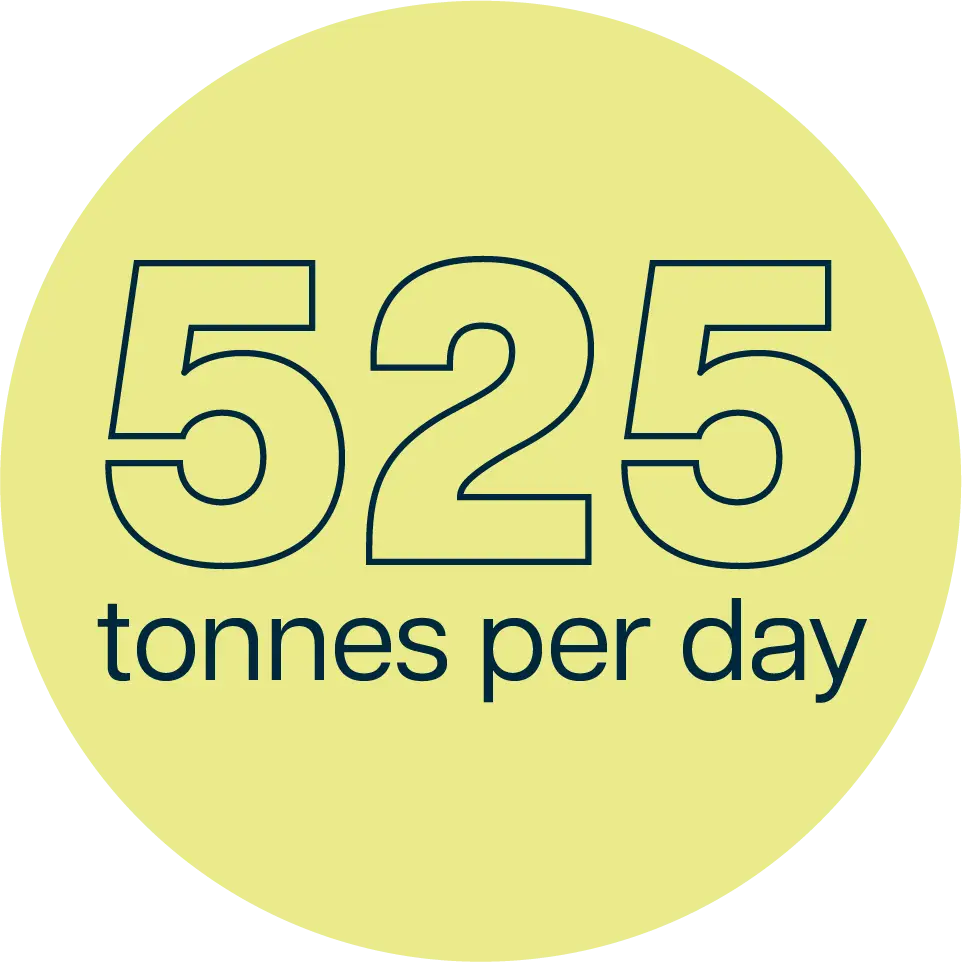
The project covers the development of a biomass-to-methanol facility with the ability to further process the methanol into jet fuel or BioSAF, converting biomass into biomethanol at a rate of 525 tonnes per day. Watson Island has limited grid power available to support a plant at this scale, so the project also includes 50 MW of biomass-generated green power, built to supply the facility itself.
This is the first waterborne biomethanol/bioSAF project on Canada’s west coast. Biomethanol is a marine fuel already moving through vessels today, not a fuel type waiting on new engine technology or a new infrastructure to be built elsewhere. SAF is a “drop-in fuel” since it has the same chemical makeup as traditional fossil based jet fuel. Prince Rupert’s location, a working port with direct access to Pacific shipping lanes, makes it a logical place to produce fuel for the vessels that will use it.
Feedstock for both the clean fuel production facility and for power generation has been secured. Conceptual engineering is complete, and the project is targeting commercial operation in the second half of 2030.
The community and the land
Where it stands
Elemental Clean Fuels has executed a preliminary development agreement with the City of Prince Rupert for the Watson Island site. A market study has been completed to confirm demand for the biomethanol/bioSAF the facility will produce. An engineering partner for Pre-FEED engineering and entitlement support has been selected and kicked off.
Every key development milestone achieved in the project schedule such as lease execution and Pre-FEED underway moves it one step closer to a final investment decision and shovels in the ground. We do not publish figures we cannot stand behind, and the numbers above reflect where the project stands today.
Why this project matters
Prince Rupert is proof of two things we say about how we work. We develop projects that make use of what already exists, an idle industrial site with real infrastructure, rather than starting from raw land. And we take on firsts. A first waterborne biomethanol/bioSAF project on Canada's west coast is not a small technical undertaking. It is the kind of project that requires a developer with the capital and the patience to move it through conceptual engineering, feedstock security, and a city partnership before a single tonne of fuel is produced.