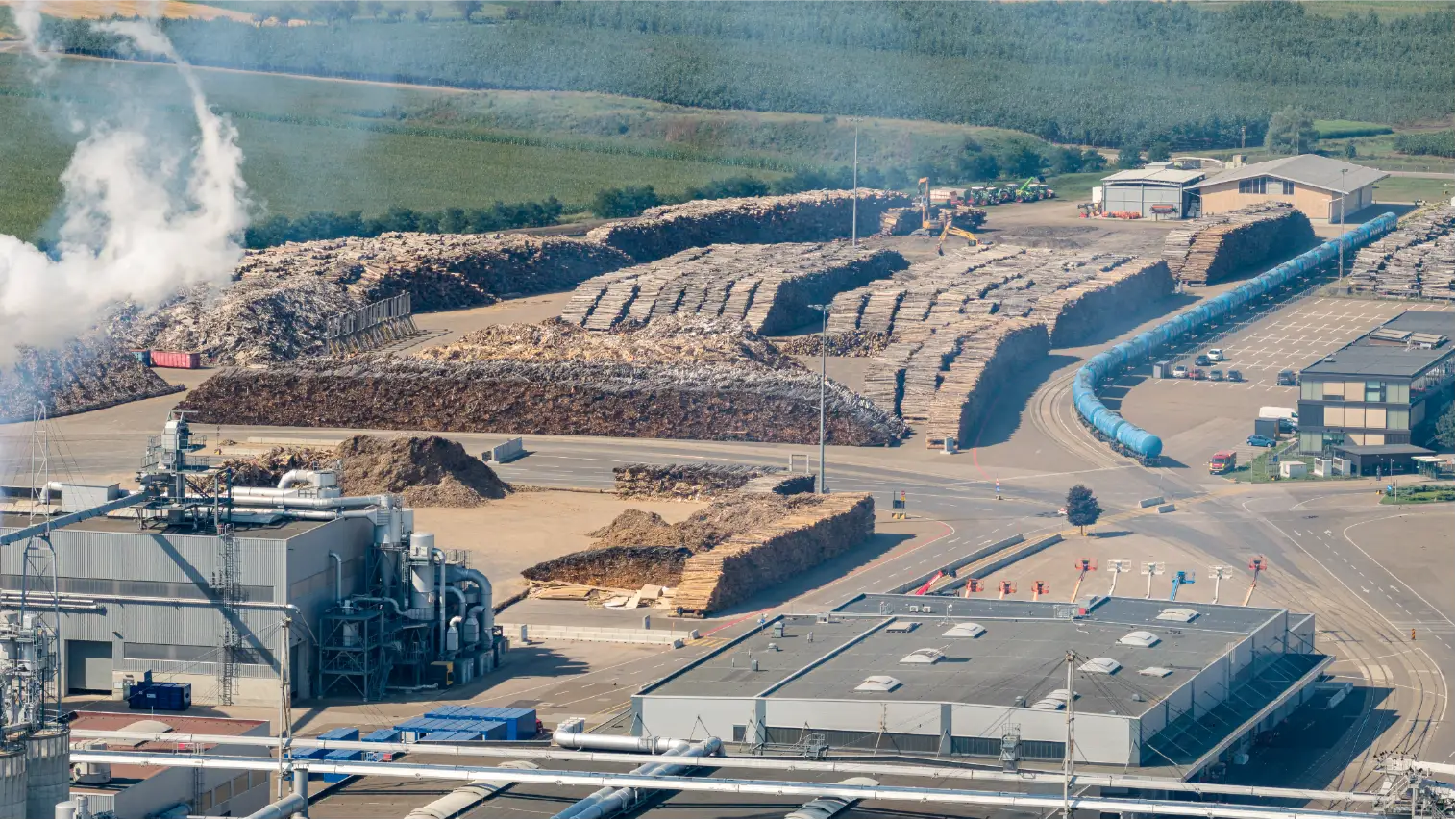
On the site of the Kruger Pulp Mill in Kamloops, British Columbia, Elemental Clean Fuels is developing a green hydrogen facility to supply the mill's own operations. Tḱemlúps te Secwépemc (TteS) holds 50.1 percent ownership of the project, a partnership structured for shared value since its inception.
The site
The Kruger pulp mill in Kamloops runs today. It is not a closed site waiting on a new use. It is an active industrial operation that, like most mills of its kind, depends on natural gas to run its processes. That dependency is the opening ECF looked for: a real facility, with a real and ongoing fuel need, sitting on a footprint that could support new production without disrupting the mill's operations.
This is the kind of project that does not require ECF to build demand. The mill already burns the natural gas this project is built to displace. The work is building the clean fuel facility that replaces it, on schedule, at a scale the mill can use.
What we are building
The Kamloops Clean Energy Centre is a 10 MW green hydrogen facility producing 4.3 tonnes of hydrogen per day, alongside oxygen as a co-product. Both are underpinned by 20-year offtake agreements with the mill, the kind of long-dated commercial commitment that makes a project like this financeable.
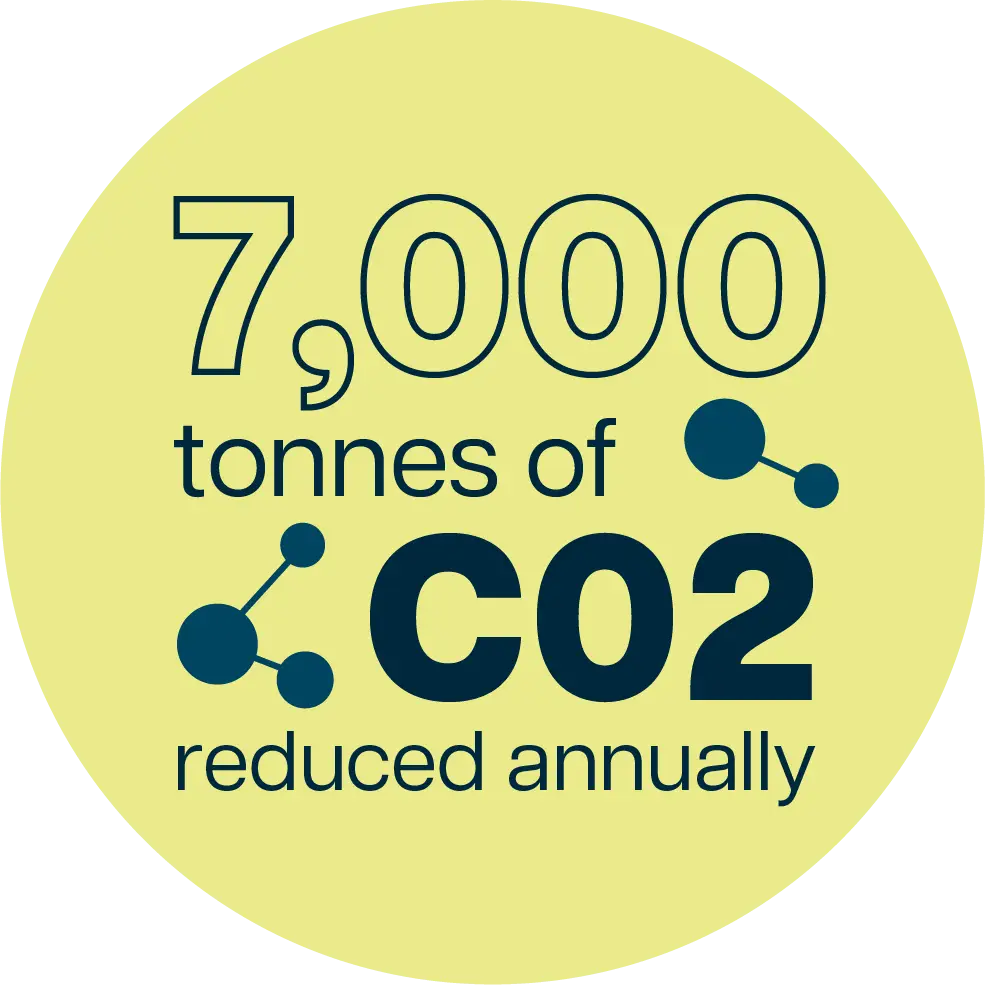
The hydrogen supplied to the mill is projected to reduce its natural gas consumption by 16 percent, avoiding approximately 7,000 tonnes of CO2 emissions annually. Natural Resources Canada's Clean Fuels Fund supported the project's initial engineering work, and investment tax credits are anticipated to support the project's economics going forward. The project is targeting a final investment decision in the third quarter of 2026 and commercial operation in the first half of 2028.
The community and the land
Where it stands
The Kamloops Clean Energy Centre has secured 20-year hydrogen and oxygen offtake agreements with the mill and initial engineering support through Natural Resources Canada's Clean Fuels Fund. The project is targeting a final investment decision in the first quarter of 2027, with commercial operation targeted for the first half of 2028.
Why this project matters
Kamloops represents how ECF works. Decarbonization does not require waiting for a new industrial buildout. It can be applied to a mill that is running today, at a scale that fits the site and a commercial structure the mill can commit to for twenty years. And partnership with Indigenous communities is not a layer added to a project for approval. At Kamloops, it is the ownership structure the project was built on, with TteS holding the majority stake.